アイルランドでは感染者数はなかなか減らないのですが、10代のひとたちもワクチン接種を受けられるようになっています。地元はもちろん、ダブリンも、だいぶお出かけしやすくなってきました。
8月12日 ダブリンのチェスタービーティーライブラリーで浮世絵の展覧会を見てきました。
https://chesterbeatty.ie/exhibitions/edo-in-colour/
北斎や広重や玉川舟調(しゅうちょう)、渓斎英泉など、すばらしい浮世絵がいっぱいで、ひととき江戸時代に浸りました。ほんとに素敵な展覧会でした。
CBLはこじんまりしていて、ご飯の美味しいカフェもあって、とてもお気に入りの博物館です。
Aさんたちの着物デモンストレーションを見せてもらって、自分で着付けを習うきっかけができたのも、CBLだったし、sachanが着せてもらう役でお手伝いをしたこともあったし、折り紙のワークショップをやったこともありました。懐かしい思い出です!
今回は近くで他の用事もあったので、お弁当持参で行って、カフェの外(屋内)でこしかけて食べられました。
Jeudi le 12 août. Visite à l’expo ‘Edo in Colour’ au musée Chester Beatty Library à Dublin.
Très compacte, mais vraiment riche et je me suis évadée dans cette ambiance japonaise, multicolore et si sophistiquée, avec des formes et des touches qui nous semblent éternellement contemporaines.
Chester Beatty était un homme d’affaire qui a eu un grand succès et qui a beaucoup voyagé, et à la fin de sa vie, il s’est décidé de fonder un musée privé avec toutes ses collections – par la suite c’est devenu la propriété du gouvernement irlnadais. La visite y est donc gratuit et ils organisent des événements super sympas. On avait fait d’ailleurs des ateliers de kimono ou de Origami pour les enfants dans ce musée.
Cette fois-ci, l’expo spéciale des estampes japonaises consiste d’une pièce seulement. Ce n’est pas comme la grande expo Hokusai que j’avais visitée il y a un temps à Paris au Grand Palais (Oh là là c’était en 2014!) … c’est bien plus modeste en quantité, mais j’ai beaucoup apprécié la variété des oeuvres. C’était comme un petit voyage à l’ère de Edo, dans ces paysages et parmi les belles femmes et les citadins occupés à circuler dans des rues et à gagner leur vie.

Kirifuri waterfall near Mount Kurokami, Shimotsuke
諸国瀧廻 下野黒髪山きりふりの滝
From the series Tour of waterfalls in various provinces
Katsushika Hokusai
Japan, c. 1833
CBL J 2760
The peace of the Edo period, its ordered roads and managed highways, all supported a growing interest in travel for recreation and pilgrimage. By the early 19th century, Japan was gripped by a travel boom. As travellers found ways around the shogunate’s systems of barriers and permits, they ventured cross country. This widespread interest (experienced in reality and through the printed page), primed the market for the success of the landscape print genre.

葛飾北斎の 諸国瀧廻 下野黒髪山きりふりの滝。
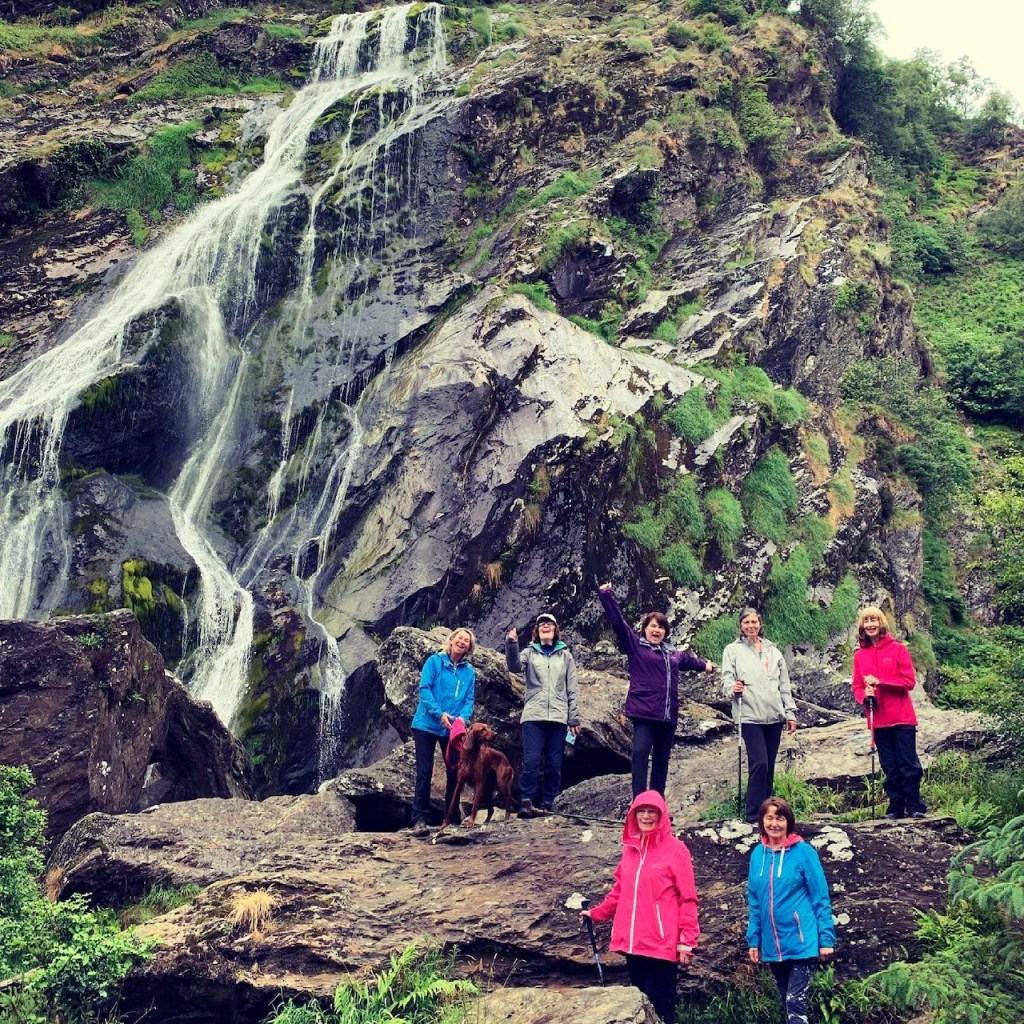
なんだか家の近くのパワースコートの滝に似ているぞう。


CBLの展覧会解説から抜粋。
Place
As a relatively young city, Edo found pride in the historical place of its setting. Fuji’s white peak and the verses of poets of centuries past were woven into popular prints just as readily as fast-moving fashions and the novelty of imported linear perspective. At the same time, peace supported a growing culture of travel. Images that celebrated Edo’s bustling landmarks made fitting souvenirs and gazetteers promised vistas of sites beyond its limits. By 1830, imported Prussian blue was added to the printmakers’ palette. As artists exploited its potential, a new print genre developed—landscape—and prints’ horizons expanded.
葛飾北斎 諸国滝廻り 木曾海道小野ノ瀑布 きそかいどうおののばくふ
長野県木曽郡上松町に現在も存在する滝で、滝壺の脇には不動尊の御堂と石碑、常夜灯が立っていて、御嶽信仰の人々にとっては水行の場所でもあったようです。勢いよく真っ直ぐに流れる滝の緊張感と共に、薄い緑色で表現する靄がこの作品を神秘的に感じさせます。


(つづく)
 Sachan in Europe agrandie